The Hidden Cost of Looking Rich: What High-End Spending Almost Ruined My Wealth Plan
I used to think luxury spending was a sign of success—designer clothes, five-star dinners, premium memberships. But behind the glamour, my wealth management strategy was quietly falling apart. I chased status without realizing I was building debt, not assets. This is the real story of how high-end consumption became a trap, and what I learned about protecting real wealth while living well. It’s not about denying yourself—it’s about knowing the difference between cost and value. Many people believe that financial success is visible, worn on the wrist or driven down the street. But the truth is far less glamorous: real wealth hides in quiet accounts, diversified portfolios, and disciplined habits. The most dangerous financial decisions are often the ones that feel the most rewarding in the moment.
The Allure of Looking Successful
Luxury spending often begins as a celebration—a reward for a promotion, a milestone, or simply surviving another demanding year. It feels earned, even justified. When income rises, it's natural to adjust lifestyle habits, but this adjustment can quickly spiral into what financial experts call 'lifestyle inflation.' This phenomenon occurs when increased earnings lead to proportionally higher spending, leaving little room for savings or investment growth. The problem isn’t enjoyment—it’s the lack of intentionality behind it. People begin to equate expensive choices with personal worth, mistaking outward appearances for inner financial strength.
Social cues reinforce this behavior. From social media feeds filled with curated luxury moments to peer conversations centered around exclusive experiences, the pressure to 'keep up' is real. A new handbag, a luxury watch, or a vacation at a five-star resort becomes not just a purchase, but a signal—a way to communicate success without saying a word. Psychologically, this taps into deep-seated needs for validation and belonging. However, when these signals become the primary driver of spending, they shift from occasional indulgences to habitual expenses that quietly erode financial stability.
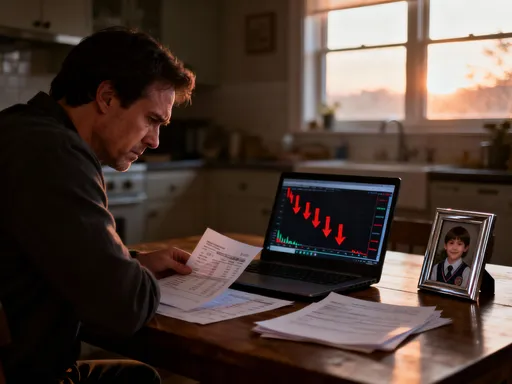
The trap is subtle. There’s no sudden alarm when a budget is compromised by small, repeated luxury choices. Instead, it happens gradually—dining out more frequently, upgrading gadgets before necessary, or choosing premium services without evaluating alternatives. Each decision seems minor on its own, but together, they form a pattern of consumption that prioritizes image over asset accumulation. The danger lies in mistaking cash flow for wealth. Just because someone can afford a $500 dinner doesn’t mean they are building lasting financial security. In fact, consistent high-end spending without corresponding investment can create a fragile financial foundation, vulnerable to market shifts or unexpected expenses.
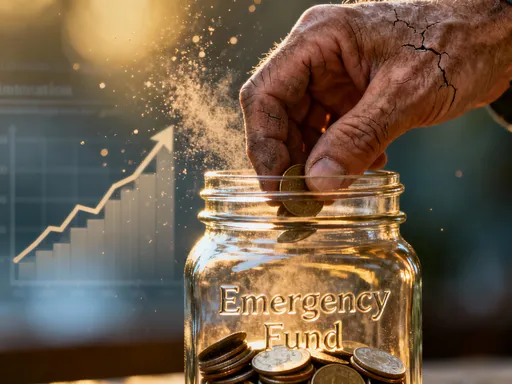
Moreover, the emotional payoff of luxury purchases tends to fade quickly. Behavioral economists refer to this as 'hedonic adaptation'—the tendency for people to return to a relatively stable level of happiness despite positive or negative changes in their lives. A designer jacket may bring joy for weeks, but that excitement diminishes over time, leaving behind only the cost. Yet, the desire for the next 'high' persists, fueling a cycle of continuous spending. Breaking free requires recognizing that true financial confidence comes not from what others see, but from what you know—your net worth, your emergency fund, your long-term plan.
When Luxury Becomes a Liability
Not all expenses are equal in the eyes of wealth building. Some purchases enhance long-term financial health, while others actively undermine it. Luxury items, by their nature, often fall into the latter category. A $100,000 sports car, for example, loses value the moment it leaves the dealership. Unlike a home or a stock portfolio, it generates no income and depreciates rapidly. Yet, it carries a high ongoing cost—insurance, maintenance, fuel, and parking. These expenses continue long after the initial thrill has faded, draining resources that could otherwise be invested.
The misconception arises when people treat luxury purchases as investments. They argue that a Rolex holds value or that a designer bag appreciates over time. While certain rare or limited-edition items may retain or increase in value, these are exceptions, not the rule. For the vast majority of high-end goods, depreciation is inevitable. A $3,000 handbag may resell for a fraction of its original price, and even then, only if meticulously preserved. The time, effort, and emotional energy required to maintain such items for potential resale often outweigh any financial benefit.
More insidious is the opportunity cost—the value of what you give up by choosing one option over another. Every dollar spent on a luxury item is a dollar not invested in assets that could grow over time. Consider this: $5,000 spent on a vacation could have been invested in a diversified index fund. Assuming a conservative 7% annual return, that amount could grow to over $9,800 in ten years. Over thirty years, it could exceed $38,000. When repeated across multiple discretionary purchases, the cumulative loss in potential wealth becomes staggering. This isn’t about denying enjoyment—it’s about understanding trade-offs.
Luxury memberships, exclusive clubs, and premium subscriptions follow the same pattern. They offer access and prestige, but rarely deliver measurable financial returns. A $10,000 annual country club membership, for instance, provides social benefits and recreational opportunities, but it does not compound like a retirement account. The money disappears each year, with no residual value. In contrast, investing that same amount annually into a tax-advantaged retirement plan could yield hundreds of thousands of dollars over time, depending on market performance and investment horizon.
The key distinction lies in asset versus expense classification. Assets generate income or appreciate in value; expenses consume resources. High-end spending, no matter how justified it feels, remains an expense unless it produces a tangible return. Recognizing this difference is the first step toward making financially sound decisions. It requires shifting focus from short-term pleasure to long-term gain, from visible consumption to invisible accumulation. True financial strength isn’t measured by what you spend, but by what you keep and grow.
The Wealth Gap Between Appearance and Reality
There is a growing disconnect between those who appear wealthy and those who actually are. On social media, images of luxury cars, designer outfits, and exotic vacations create the illusion that financial success is easily attainable. But behind many of these curated posts lies a different story—one of mounting credit card debt, depleted savings, and financial stress. The pressure to maintain a certain image often leads people to finance their lifestyles through borrowing, redirecting funds from future security to present display.
This phenomenon has a name: 'financial masquerading.' It describes individuals who live beyond their means to project success, often at the expense of long-term stability. A person driving a leased luxury SUV may be admired for their apparent success, yet struggle to cover basic expenses when the lease ends or interest rates rise. Similarly, someone posting about fine dining experiences may be using rewards points or high-interest credit cards, delaying the inevitable bill. The cost of looking rich can be far higher than the price tag suggests, especially when interest, fees, and missed investment opportunities are factored in.
Net worth—the difference between assets and liabilities—tells a more accurate story than spending power. A person with a modest lifestyle but consistent savings and investments may have a higher net worth than someone with a lavish lifestyle and no equity. Yet, society tends to reward visibility over substance. This misalignment creates a dangerous incentive structure, where people prioritize perception over progress. The result is a cycle of consumption that feels rewarding in the short term but hinders wealth accumulation in the long term.
Social media amplifies this effect by normalizing luxury as everyday. When influencers showcase private jets or designer wardrobes as routine, it distorts reality for viewers who may not realize these lifestyles are often funded by sponsorships, debt, or temporary income spikes. The comparison trap kicks in, leading people to believe they are falling behind when, in fact, they may be on solid financial ground. This can trigger impulsive spending, driven by emotion rather than strategy. Breaking free requires a conscious effort to define success on personal terms, not external benchmarks.
One effective strategy is to shift focus from income to savings rate. A high earner who spends most of their income is no wealthier than a moderate earner who saves consistently. In fact, the latter may be better positioned for long-term financial independence. By measuring progress through net worth growth rather than consumption level, individuals can gain a clearer picture of their true financial health. This mindset encourages patience, discipline, and a focus on what truly matters: security, freedom, and peace of mind.
How I Restructured My Wealth Strategy
Real change began when I confronted the gap between my lifestyle and my financial goals. I had been earning well, yet my savings were stagnant, and my investments minimal. The realization that I was spending more on appearances than on assets was a wake-up call. I started by conducting a thorough audit of my spending, categorizing every expense to identify patterns. What emerged was clear: a significant portion of my income was going toward non-essential, high-status purchases that provided fleeting satisfaction but no lasting value.
The first step in restructuring was redefining my financial objectives. Instead of aiming for a certain lifestyle image, I focused on measurable outcomes—building an emergency fund, increasing retirement contributions, and acquiring income-generating assets. This shift in priorities allowed me to make intentional choices rather than reactive ones. I established a budget that separated essential expenses, discretionary spending, and investment allocations. Within discretionary spending, I created a 'luxury allowance'—a fixed amount I could spend guilt-free on premium experiences or goods, knowing it wouldn’t compromise my financial goals.
Automating savings and investments was crucial. By setting up automatic transfers to savings and investment accounts, I ensured that a portion of every paycheck went directly toward wealth building before I had a chance to spend it. This 'pay yourself first' approach removed temptation and reinforced discipline. I also reviewed my subscriptions, memberships, and recurring expenses, canceling those that no longer aligned with my values or provided sufficient value. The money saved was redirected into low-cost index funds and retirement accounts.
Another key change was adopting a 'cost-per-use' mentality. Before making a purchase, I asked myself how often I would realistically use the item and whether its value justified the price. A $200 pair of boots worn daily for years offers better value than a $800 designer jacket worn a few times a season. This framework helped me prioritize durability and utility over brand prestige. Over time, this approach not only reduced unnecessary spending but also improved the quality of my purchases, as I became more selective and intentional.
Smart Spending vs. Status Spending
Not all premium spending is wasteful. The distinction lies in intent and outcome. Smart spending enhances quality of life, provides long-term value, or even generates returns. Status spending, on the other hand, is driven by external validation and often results in regret. The challenge is learning to tell the difference. A useful decision-making framework involves evaluating three factors: cost per use, emotional value, and opportunity cost.
Cost per use measures how much an item costs relative to how often it’s used. A $1,500 home gym might seem expensive, but if used daily, the cost per use becomes negligible over time. In contrast, a $600 dress worn once for a special event has a very high cost per use. While occasional splurges are acceptable, consistently choosing high-cost-per-use items can strain finances without delivering proportional benefits. Prioritizing items with frequent, long-term utility leads to better financial outcomes.
Emotional value is more subjective but equally important. Some purchases bring lasting joy—family vacations, meaningful gifts, or experiences that strengthen relationships. These can be worthwhile investments in well-being, even if they don’t appreciate financially. The key is distinguishing genuine emotional fulfillment from temporary ego boosts. A luxury watch may feel impressive at first, but if it doesn’t bring sustained happiness, its emotional value is low. Conversely, a modest but well-planned trip with loved ones may create memories that last a lifetime.
Opportunity cost remains the most critical consideration. Every dollar spent is a dollar not invested. Before any high-ticket purchase, it’s essential to ask: What am I giving up by making this choice? Could this money be better used to reduce debt, build savings, or generate passive income? This doesn’t mean avoiding all luxury—it means making informed decisions. By applying this framework, I learned to enjoy premium experiences without guilt, knowing they were within my financial boundaries and aligned with my priorities.
Building Real Wealth Without Sacrificing Lifestyle
Financial health doesn’t require austerity. It requires balance. The goal isn’t to eliminate enjoyment but to align spending with long-term objectives. One of the most effective strategies is automating financial habits. Setting up automatic contributions to retirement accounts, emergency funds, and investment portfolios ensures consistent progress without constant decision-making. Once these systems are in place, discretionary spending can be managed with greater confidence, knowing that foundational goals are being met.
Tax-efficient accounts play a vital role in wealth accumulation. Utilizing retirement vehicles such as 401(k)s, IRAs, or similar programs in other countries allows money to grow with reduced tax burden. Employer matching contributions, when available, represent an immediate return on investment and should never be left on the table. Similarly, health savings accounts (HSAs) and other tax-advantaged tools can provide dual benefits of savings and tax reduction, especially when used strategically.
Investing in income-producing assets is the cornerstone of real wealth. Real estate, dividend-paying stocks, and small businesses generate returns over time, creating financial momentum. Unlike luxury purchases, these assets appreciate or produce cash flow, contributing to long-term stability. Diversification across asset classes reduces risk and increases resilience against market fluctuations. The earlier these investments begin, the more time compounding has to work, turning modest contributions into significant wealth over decades.
Lifestyle enrichment doesn’t have to come at the expense of financial health. Occasional luxury experiences—fine dining, travel, or premium events—can be enjoyed within a structured budget. The difference is intentionality. When these choices are made consciously, with full awareness of their financial impact, they become sustainable rather than destructive. The freedom to spend comes not from unlimited income, but from disciplined saving and investing. True luxury, in this sense, is not what you display, but the peace of mind that comes from financial security.
The Mindset Shift That Changed Everything
Lasting financial success begins with mindset. The most powerful change I experienced wasn’t in my budget, but in my thinking. I shifted from seeking validation through possessions to finding pride in progress. Instead of measuring success by what I owned, I began measuring it by what I had built—my emergency fund, my investment portfolio, my growing sense of control. This internal shift reduced the need for external approval and made it easier to resist comparison.
Patience became a virtue. Wealth accumulation is rarely fast, but it is reliable when consistent. Learning to delay gratification—choosing long-term security over short-term pleasure—allowed me to make decisions that served my future self. I stopped viewing frugality as deprivation and began seeing it as empowerment. Every dollar saved was a vote for freedom, for choice, for resilience.
Today, I still enjoy life. I dine out, travel, and occasionally treat myself to premium items. But now, these choices are made from a position of strength, not strain. I know my net worth is growing, my risks are managed, and my future is protected. Real wealth isn’t seen in the car I drive or the clothes I wear. It’s felt in the quiet confidence that comes from knowing I am in control. That, more than any luxury, is the greatest reward.