How I Found Real Market Opportunities Without Gambling My Savings
What if financial freedom isn’t about working more, but spotting what others overlook? I used to chase quick wins—until I lost. That failure taught me to shift focus: from hype to real market opportunities. This isn’t about get-rich-quick schemes. It’s about smart moves, risk control, and consistent growth. I’ll walk you through how I redefined investing, avoided common traps, and built a strategy that actually works—without risking everything. My journey wasn’t marked by luck or sudden breakthroughs. It was shaped by discipline, observation, and a willingness to learn from mistakes. If you’ve ever felt overwhelmed by market noise or discouraged by losses, this is for you. The path to lasting financial stability begins not with more money, but with better thinking.
The Wake-Up Call: When My Investment Mindset Changed
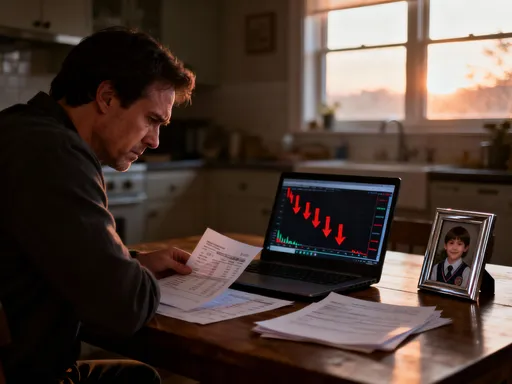
For years, I believed that successful investing meant taking big risks. I watched financial news, followed influencers on social media, and jumped into trending stocks with excitement and hope. I told myself I was being bold, proactive—someone who wasn’t afraid to seize opportunity. But the reality was different. I was reacting to noise, not insight. My turning point came after losing a significant portion of my savings during a volatile market swing. I had invested heavily in a so-called “revolutionary” tech startup based on buzz and speculation, only to watch its value plummet within months. That loss wasn’t just financial—it was emotional and psychological. I felt embarrassed, frustrated, and uncertain about whether I should continue at all.
But in that discomfort, clarity emerged. I began asking hard questions: Why did I invest in that company? What research had I actually done? Was I drawn by fundamentals or by the promise of fast returns? The truth was uncomfortable. I hadn’t analyzed balance sheets or revenue trends. I hadn’t considered long-term sustainability. I had been swayed by headlines, peer pressure, and the fear of missing out. That experience forced me to confront a deeper truth—most people don’t fail in investing because they lack capital, but because they lack a clear, disciplined framework. The market doesn’t reward emotion; it rewards patience, preparation, and process.
From that point forward, I committed to changing my approach. I stopped chasing trends and started studying patterns. I read books on behavioral finance, explored historical market cycles, and learned how compounding works over time. I began to see investing not as a gamble, but as a long-term strategy rooted in observation and logic. Instead of reacting to daily price swings, I focused on understanding economic drivers, industry shifts, and consumer behavior. This shift—from speculation to thoughtful analysis—became the cornerstone of my new financial philosophy. It wasn’t flashy, but it was sustainable. And slowly, steadily, my results began to improve.
What “Financial Freedom” Really Means (And What It Doesn’t)
Before my wake-up call, I had a distorted view of financial freedom. I imagined it as early retirement, luxury travel, or quitting my job to live off passive income. I thought it meant having so much money that I’d never have to worry again. But over time, I realized that this kind of thinking was not only unrealistic for most people, but also misleading. True financial freedom isn’t about extravagance or escape. It’s about control. It’s the ability to make life choices based on what you value, rather than being constrained by financial limitations. It means you can say no to things you don’t want to do, support your family with confidence, and handle unexpected expenses without panic.
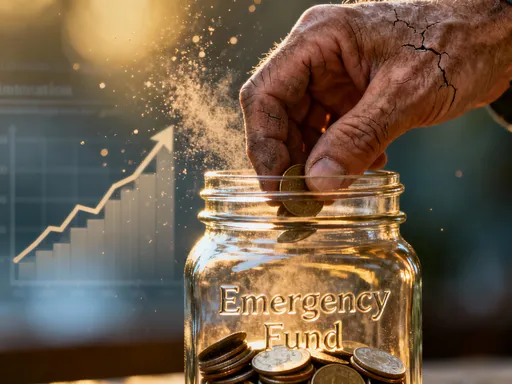
More importantly, I learned that financial freedom doesn’t require millions in the bank. It starts with stability—having an emergency fund, manageable debt, and a reliable stream of income that outpaces your expenses. It grows through consistent habits: saving a portion of your income, investing wisely, and avoiding lifestyle inflation. I began measuring progress not by how much money I made in a month, but by how resilient my financial foundation was. Could I withstand a job loss? Could I afford my child’s education? Could I help a family member in need without derailing my own goals? These became my real benchmarks.
I also realized that financial freedom is deeply personal. For some, it might mean owning a home outright. For others, it could mean running a small business that supports their lifestyle. There’s no universal definition, and comparing yourself to others only leads to frustration. What matters is aligning your financial decisions with your values and long-term vision. Once I embraced this mindset, I stopped chasing arbitrary benchmarks and started building a plan tailored to my life. That shift in perspective reduced anxiety and increased my sense of empowerment. I wasn’t trying to keep up with anyone else—I was creating a future that worked for me.
Spotting Market Opportunities: The Art of Seeing What Others Miss
One of the most valuable lessons I’ve learned is that real market opportunities rarely announce themselves with fanfare. They don’t come from viral social media posts or sensational news headlines. Instead, they’re often quiet, unglamorous, and overlooked by the crowd. The key is learning how to see them. I started paying attention to industries and services that weren’t trending but showed signs of steady demand. I looked for problems that people faced regularly—things like home maintenance, childcare, healthcare access, or small business support—and asked myself: where are solutions lacking? Where are customers underserved? These gaps often signal potential for sustainable businesses and long-term investment value.
I began studying consumer behavior in my own community. I noticed that while many local stores struggled, certain niche services—like eco-friendly cleaning, specialized pet care, or digital tutoring—were growing steadily. These weren’t headline-grabbing sectors, but they served recurring needs with loyal customer bases. I also explored digital tools that solved everyday problems, such as budgeting apps, telehealth platforms, or remote learning software. These businesses weren’t trying to disrupt entire industries; they were quietly meeting real needs with reliable models. That consistency made them more attractive than flashy startups with unproven revenue streams.
To test my observations, I started making small, calculated investments. I didn’t go all-in on any single idea. Instead, I allocated a modest amount of capital to a few promising areas and tracked their performance over time. I paid attention to customer reviews, growth trends, and operational efficiency. I let data guide my decisions, not emotions or hype. This methodical approach helped me avoid the trap of chasing popularity. I learned that sustainable opportunities often grow slowly at first, then gain momentum as trust and demand build. By focusing on substance rather than spectacle, I found investments that delivered steady returns without requiring constant monitoring or high risk.
Building a Risk-Aware Strategy: Protecting Capital First
One principle I now hold above all others is this: never risk what you cannot afford to lose. This simple rule has saved me from repeating past mistakes. I realized that no potential return is worth jeopardizing financial security, especially when it comes to essential needs like housing, healthcare, or education. With that mindset, I redesigned my investment strategy around capital preservation. My goal wasn’t to double my money overnight, but to grow it steadily while minimizing downside risk. This meant adopting a diversified approach—spreading investments across different asset classes such as index funds, bonds, real estate, and select individual stocks.
Diversification isn’t just a buzzword; it’s a proven method for reducing exposure to any single point of failure. When one sector underperforms, others may hold steady or even gain, balancing out the overall portfolio. I also implemented position sizing—limiting how much I allocate to any one investment based on its risk profile. For example, I might invest 5% of my portfolio in a stable dividend-paying stock, but only 1% in a higher-risk emerging market fund. This way, even if a smaller investment fails, it doesn’t significantly impact my overall financial health.
Another critical tool in my strategy is the use of stop-loss logic. While I don’t trade frequently, I set predetermined exit points for certain holdings to prevent emotional decision-making during market downturns. If a stock drops below a certain threshold, I reassess whether the original reasons for investing still hold. This removes the temptation to “hold and hope” when fundamentals have changed. I also review my portfolio regularly—not to react to daily fluctuations, but to ensure alignment with my long-term goals. Risk management isn’t about avoiding all losses; it’s about controlling them so they don’t derail your progress. By prioritizing protection over pursuit, I’ve been able to stay in the market for the long term, even during periods of uncertainty.
Practical Moves: Turning Insight into Action
Knowledge is only valuable when it leads to action. I’ve met many people who understand financial concepts but never take the first step. They read books, watch videos, and attend webinars, yet their money remains stagnant. I was once like that too—hesitant, overanalyzing, afraid of making the wrong move. But I realized that perfection isn’t the goal; progress is. So I broke down my investment strategy into simple, repeatable steps. First, I focused on research: understanding the business model, revenue sources, leadership team, and competitive advantage of any potential investment. I looked for transparency, sustainability, and real-world utility—not just popularity or media attention.
Next, I started small. Instead of committing large sums, I tested my ideas with modest positions. This allowed me to gain firsthand experience without exposing myself to major risk. For instance, if I identified a local service business with strong customer loyalty and consistent cash flow, I might begin by purchasing a small number of shares or even supporting it as a customer to observe operations. I tracked performance over several months, noting growth patterns, customer feedback, and operational challenges. Only after validating the concept did I consider increasing my involvement.
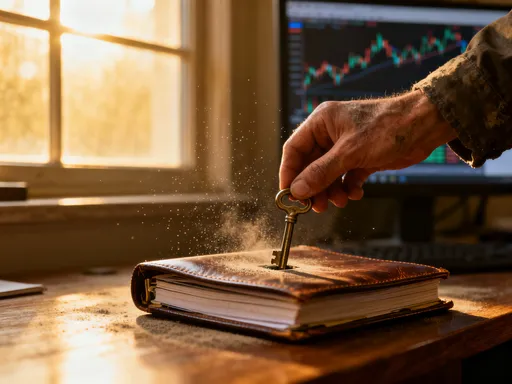
I also developed a habit of documentation. I kept a simple journal where I recorded each investment decision, the reasoning behind it, and the outcome. This helped me identify patterns in my thinking—both strengths and blind spots. Over time, I became more confident in my judgment and less influenced by external noise. I learned to distinguish between short-term volatility and long-term potential. Whether it was a digital subscription service solving a common pain point or a regional company expanding gradually, I focused on substance. Action, guided by insight and tempered by caution, became my formula for steady progress.
Common Traps—and How I Learned to Avoid Them
Even with a disciplined approach, it’s easy to fall into common financial traps. I’ve been tempted by “hot tips” from friends, persuasive marketing campaigns, and promises of guaranteed returns. Each time, I paid a price—either in money or in lost time and confidence. One of the most dangerous traps is the allure of quick profits. Scammers and overhyped ventures often use phrases like “limited-time opportunity” or “exclusive access” to create urgency. I’ve learned to pause whenever I feel pressured to act immediately. If an opportunity truly has value, it won’t disappear overnight. Taking time to research, consult trusted sources, and reflect on my goals has saved me from multiple costly mistakes.
Another trap is comparison. It’s natural to look at others’ success stories—especially on social media—and feel behind. But comparing my journey to someone else’s highlight reel only leads to frustration and impulsive decisions. I’ve learned to focus on my own progress, celebrate small wins, and stay aligned with my personal timeline. I built a simple checklist to evaluate any new opportunity: Does it align with my values? Is the business model transparent? Does it have a track record of performance? Are the expected returns realistic? If any answer is unclear or negative, I walk away. This filter has protected me from speculative schemes, pyramid structures, and emotionally driven choices.
I also avoid investments I don’t understand. Complexity is often used to mask risk. If a financial product comes with confusing terms, excessive fees, or unclear benefits, I don’t invest. Simplicity and clarity are signs of integrity. I prefer straightforward options like low-cost index funds, dividend-paying stocks, or community-based lending platforms with clear terms. By staying within my circle of competence, I’ve maintained confidence in my decisions and avoided the stress of chasing unfamiliar markets. Recognizing these traps hasn’t made investing easy, but it has made it safer and more sustainable.
The Long Game: Growing Wealth Without Burning Out
Perhaps the most important lesson I’ve learned is that lasting wealth is built slowly. There’s no shortcut, no secret formula. It’s the result of consistent, intelligent decisions made over years. I’ve embraced the power of compounding—not just in finance, but in knowledge and discipline. Every dollar reinvested, every lesson learned, every small win contributes to long-term growth. I no longer measure success by short-term gains, but by resilience, progress, and peace of mind. I review my portfolio quarterly, adjusting for life changes like family needs, career shifts, or economic conditions. Flexibility is key—sticking to a plan doesn’t mean refusing to adapt.
I’ve also learned to protect my energy. Investing shouldn’t consume your life or cause constant stress. I set boundaries: I don’t check stock prices daily, I don’t engage in speculative chatter, and I don’t let market swings dictate my mood. Instead, I focus on what I can control—my savings rate, my spending habits, my learning. I automate investments where possible, use trusted financial tools, and seek advice from qualified professionals when needed. This balanced approach has allowed me to grow wealth without sacrificing well-being.
Financial freedom, I now understand, isn’t a destination. It’s a mindset—a way of living with intention, clarity, and responsibility. It’s knowing that you’re prepared for life’s uncertainties and capable of shaping your future. My journey didn’t start with a windfall or a genius idea. It began with a loss, a decision to learn, and a commitment to do better. If you’re reading this, you’re already one step ahead. The market will always have noise, risks, and distractions. But with the right approach, you can find real opportunities—without gambling your savings.