How I Built Passive Income Streams Without Risking Everything
What if your money could work for you while you sleep? I used to rely solely on my paycheck, until I realized the power of earning without constant effort. It’s not about get-rich-quick schemes—it’s about smart, steady moves. I’ve tested different paths, made mistakes, and finally found what works. Let me share how diversifying my assets changed everything, and how you can start building real financial resilience—without the hype or high-risk bets. This isn’t a story of overnight success, but one of small, consistent decisions that gradually transformed financial stress into lasting security. The journey began not with a windfall, but with a wake-up call.
The Wake-Up Call: Why Relying on a Paycheck Isn’t Enough
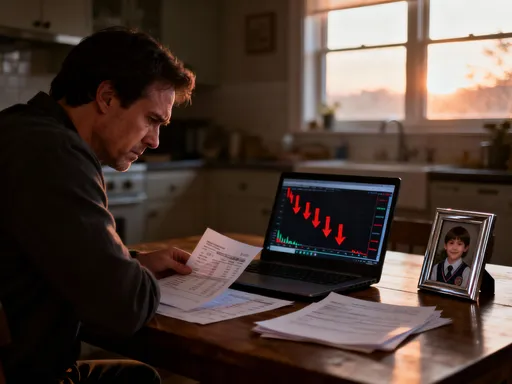
There was a time when I believed that showing up to work, doing my job well, and receiving a steady paycheck each month was enough. I didn’t think much about the future beyond paying bills and saving a little for emergencies. Then, one winter, my husband had to take unpaid leave due to a company restructuring. Our budget, already tight, suddenly couldn’t stretch far enough. Medical bills from a minor injury piled up, and we found ourselves dipping into our emergency fund—only to realize it wasn’t as robust as we’d assumed. That moment was a financial reckoning. We weren’t alone. Millions of households live just one unexpected expense away from financial strain, and relying solely on active income creates a fragile foundation.
The emotional toll was just as heavy as the financial one. I felt constant anxiety, checking our bank balance multiple times a day, wondering if we’d make it to the next payday. I began to question whether our lifestyle was sustainable. What if my job changed? What if one of the kids needed costly braces or therapy? What if another emergency hit? The idea of building passive income wasn’t glamorous at first—it didn’t promise luxury cars or tropical vacations. But it did promise something more valuable: peace of mind. I started to see that true financial freedom isn’t about earning more; it’s about creating systems where money continues to grow even when you’re not actively working.
This shift in mindset didn’t happen overnight. It grew from repeated exposure to the limitations of trading time for money. I began reading about personal finance, listening to interviews with people who had built long-term wealth, and realized a common thread: they didn’t depend solely on their jobs. They had multiple streams of income—some required effort, but others operated quietly in the background. That’s when I understood: passive income isn’t a bonus. For families managing budgets, raising children, and planning for the future, it’s a necessity. It’s the difference between surviving and thriving, between reacting to crises and being prepared for them.
Passive Income Demystified: What It Really Means (And What It Doesn’t)
When I first heard the term “passive income,” I imagined money flowing in effortlessly while I relaxed on a beach. The reality, I learned, is far less dramatic—but much more sustainable. Passive income refers to earnings that require minimal ongoing effort to maintain after an initial investment of time, money, or both. This could mean collecting rental income from a property, receiving dividends from stocks, earning royalties from a digital product, or gaining interest from a savings vehicle. The key word is “minimal” effort, not “no” effort. Many people are misled by online promises of instant wealth with zero work, but those claims are often unrealistic or even deceptive.
Take dividend-paying stocks, for example. Once you’ve researched and purchased shares in a stable company, the dividends may arrive quarterly without you lifting a finger. But the upfront work—learning how the stock market works, selecting the right companies, understanding tax implications—is essential. Similarly, writing an e-book or creating an online course can generate income for years, but only after hours of planning, writing, and publishing. These are not get-rich-quick schemes. They are long-term strategies that reward patience and consistency. The goal isn’t to replace your income overnight, but to build a foundation that grows steadily over time.
It’s also important to distinguish between fully passive and semi-passive income. Fully passive streams, like index fund dividends or high-yield savings interest, require almost no maintenance once set up. Semi-passive income, such as managing a rental property or running a small online store, demands occasional oversight. Both have value, but they require different levels of involvement. Understanding this difference helps set realistic expectations. You don’t need to become a landlord or launch a business to get started. You can begin with something as simple as opening a retirement account that invests in diversified funds. The goal is progress, not perfection.
Why Asset Diversification Is Your Financial Safety Net
One of the most powerful lessons I learned was that putting all your money into one type of investment is like walking a tightrope without a net. If that single investment falters, your entire financial plan can come crashing down. This is where asset diversification becomes essential. Diversification means spreading your money across different types of investments—such as stocks, bonds, real estate, and cash equivalents—so that a loss in one area doesn’t wipe out your entire portfolio. It’s the financial version of not putting all your eggs in one basket, and it’s one of the most effective ways to manage risk while building wealth over time.
Consider what happened during the 2008 financial crisis. Families who had all their savings in home equity or company stock faced devastating losses. Homes lost value, jobs were cut, and retirement accounts shrank overnight. But those who had diversified—holding a mix of stocks, bonds, and other assets—were better positioned to weather the storm. Their portfolios might have dipped, but they weren’t destroyed. Over time, diversified investments tend to recover more steadily because different asset classes respond differently to economic changes. When stocks fall, bonds may hold steady. When real estate slows, dividend stocks might continue paying out.
Diversification also supports consistent income. Even if one investment underperforms, others can continue generating returns. For instance, if a tech stock you own drops in value, your rental property might still bring in monthly rent, and your bond fund could provide steady interest. This balance reduces the emotional stress of investing. Instead of obsessing over daily market swings, you can focus on the long-term trajectory of your overall portfolio. It’s not about chasing the highest return in any single year; it’s about creating a resilient financial structure that supports your family through both good times and bad.
Building Blocks of Diversified Passive Income: Where to Start
Starting your journey toward passive income doesn’t require a large sum of money or a finance degree. The key is to begin with accessible, low-barrier options and gradually expand as you gain confidence and knowledge. One of the most straightforward entry points is dividend-paying stocks. These are shares in companies that return a portion of their profits to shareholders on a regular basis. While stock prices can fluctuate, dividends provide a steady stream of income, especially when reinvested over time. Index funds that track broad market performance, such as the S&P 500, often include many of these dividend-paying companies and offer instant diversification with a single investment.
Another option is real estate, which can generate passive income through rental properties. You don’t need to buy a mansion or manage tenants yourself. Real estate investment trusts (REITs) allow you to invest in property portfolios without owning physical buildings. REITs are required by law to distribute at least 90% of their taxable income to shareholders, making them a reliable source of dividends. They also offer exposure to commercial real estate, apartments, and industrial spaces—assets that might otherwise be out of reach for individual investors.
For those who prefer lower volatility, high-yield savings accounts and certificates of deposit (CDs) offer a safe way to earn interest. While the returns are modest compared to stocks, they come with minimal risk and are protected by federal insurance. Peer-to-peer lending platforms provide another alternative, allowing individuals to lend money to borrowers in exchange for interest payments. Though this carries more risk than savings accounts, it can offer higher returns when done through reputable platforms with strong credit screening.
Digital assets are also becoming more accessible. Creating an online course, writing an e-book, or designing printable templates can generate income long after the initial work is done. These assets scale well—once created, they can be sold repeatedly with little additional effort. The key is to start small, perhaps dedicating just a few hours a week to building something that aligns with your skills or interests. Over time, these efforts compound, creating multiple small streams that together make a meaningful difference.
Balancing Risk and Reward: Smart Allocation Over Chasing Returns
One of the biggest mistakes new investors make is chasing high returns without considering the risks involved. It’s tempting to put all your money into the latest “hot” stock or trending cryptocurrency, especially when you hear stories of people making huge gains. But history shows that assets with the highest potential returns also tend to be the most volatile. What goes up quickly can come down just as fast. The goal of building passive income isn’t to get rich overnight—it’s to create lasting financial stability. That requires a thoughtful approach to asset allocation based on your personal goals, time horizon, and risk tolerance.
Think of your investment portfolio like a recipe. You wouldn’t add five times the amount of one ingredient and expect the dish to turn out well. Similarly, overconcentrating in one asset class—like tech stocks or real estate—can throw your financial plan out of balance. A conservative investor nearing retirement might allocate more to bonds and savings vehicles to protect capital, while a younger investor with decades ahead might take on more stock exposure for growth. The right mix depends on your life stage, responsibilities, and comfort with market fluctuations.
Rebalancing is another crucial practice. Over time, some investments grow faster than others, shifting your original allocation. For example, if your stock funds perform well, they might come to represent 80% of your portfolio instead of the intended 60%. This increases your exposure to market risk. Rebalancing means periodically selling some of the overperforming assets and buying more of the underrepresented ones to restore your target mix. It’s a disciplined way to “buy low and sell high” without making emotional decisions in the heat of the moment.
Avoiding the hype is equally important. Just because an asset is popular doesn’t mean it’s right for you. Remember the cryptocurrency surge of the early 2020s? Many investors jumped in without understanding the technology or risks, only to lose significant value when the market corrected. Staying informed and sticking to a long-term plan helps you avoid these pitfalls. Focus on building a portfolio that aligns with your values and goals, not one that follows the crowd.
Real Moves, Not Hype: Lessons from My Own Mistakes
I won’t pretend I got everything right the first time. My early attempts at investing were marked by impatience and overconfidence. One of my biggest mistakes was putting a large portion of our savings into a single company’s stock because I believed in its mission and thought it was a “sure thing.” When the company faced unexpected regulatory challenges, the stock price plummeted. I learned the hard way that even great companies can face setbacks, and no single investment should dominate your portfolio. That experience taught me the importance of diversification—not as a theoretical concept, but as a practical safeguard against uncertainty.
Another misstep was rushing into a rental property without doing enough research. I was excited by the idea of earning monthly rent, but I didn’t fully account for maintenance costs, property taxes, or the time required to manage tenants. The first year was stressful—plumbing issues, late payments, and unexpected repairs ate into the profits. I realized that real estate, while potentially rewarding, isn’t truly passive if you’re not prepared. Since then, I’ve shifted toward more hands-off options like REITs and have learned to view real estate as just one part of a broader strategy, not the entire plan.
I also made the mistake of checking my portfolio too often. In the beginning, I would log in daily, watching every small fluctuation with anxiety. This led to emotional decisions—selling when prices dropped out of fear, or buying when prices rose out of excitement. Over time, I learned to step back. I set up automatic contributions to my investment accounts and decided to review my portfolio only once a quarter. This small change reduced stress and helped me stay focused on long-term growth rather than short-term noise. The lesson was clear: discipline and patience are more valuable than timing the market.
Putting It All Together: A Sustainable Plan for Long-Term Gains
Looking back, the most important shift wasn’t in my portfolio—it was in my mindset. I stopped chasing quick wins and started focusing on sustainable, long-term growth. I learned that financial freedom isn’t about reaching a specific dollar amount; it’s about creating a system where your money works for you, reduces stress, and supports the life you want to live. The journey didn’t require bold, risky bets. It required consistency, education, and the willingness to make small, smart decisions over time.
Today, our passive income streams include dividend payouts from a diversified stock portfolio, interest from high-yield savings, and earnings from digital products I created during quiet evenings. None of these generate life-changing sums on their own, but together, they cover a meaningful portion of our monthly expenses. That buffer has given us breathing room—enough to handle emergencies, plan vacations, and save for our children’s education without constant worry. More importantly, it’s given us confidence. We know we’re not just surviving; we’re building something lasting.
If you’re just starting out, the best advice I can offer is to begin where you are. You don’t need thousands of dollars to open an investment account. Many platforms allow you to start with as little as $10. Set up automatic transfers so a portion of each paycheck goes directly into your chosen investments. Educate yourself through trusted sources—books, podcasts, and financial advisors—but avoid information overload. Focus on one step at a time. Celebrate small wins, like your first dividend payment or the completion of a digital product. These moments build momentum.
Remember, this isn’t about becoming wealthy overnight. It’s about making your money work as hard as you do. It’s about creating options for your family, reducing stress, and building a future where you’re not held hostage by a single paycheck. With patience, discipline, and a commitment to diversification, anyone can create passive income streams that grow quietly, steadily, and reliably over time. The foundation of lasting wealth isn’t luck—it’s strategy, one thoughtful decision at a time.