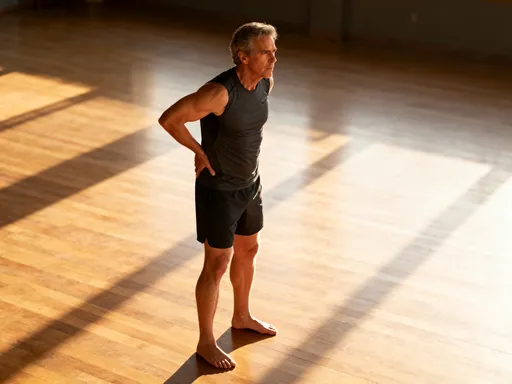
How I Got Back to Running After Injury – Quick Rehab That Actually Works
Ever felt that frustrating moment when you're ready to run, but your body says no? After a running injury sidelined me, I searched for a rehab approach that was practical, science-backed, and fast. What I found wasn’t magic—just smart recovery. This is how I returned stronger, with real methods that made a difference. If you're stuck in rehab limbo, this might be what you need. Healing doesn’t have to mean starting over. It can mean building a smarter foundation—one that supports not just a return to running, but a lifetime of movement with confidence and resilience.
The Wake-Up Call: When Running Pain Became Impossible to Ignore
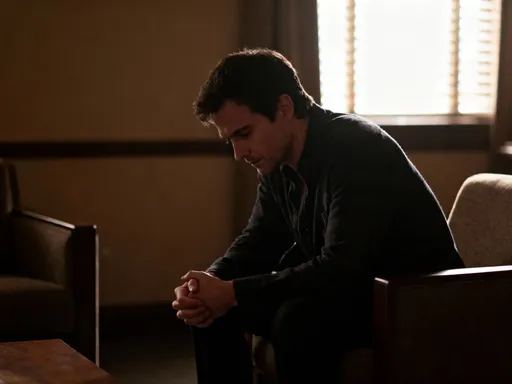
It started with a dull ache in my knee, the kind I thought would fade after a few days of rest. I’d been running consistently for years—early mornings, weekend long runs, the rhythm of footfalls on pavement had become part of my routine. But one morning, halfway through a five-mile loop, the pain sharpened. Each stride sent a jolt up my leg. I slowed, then walked, then limped home. That was the first time I couldn’t finish a run. The disappointment was immediate, but the fear crept in slowly: What if I can’t run again?
The emotional toll was just as heavy as the physical discomfort. Running wasn’t just exercise—it was my mental reset, my time to think, to breathe, to feel strong. Without it, I felt restless, anxious, disconnected. I tried to push through, telling myself I just needed to tough it out. But the pain didn’t ease. In fact, it worsened. I began avoiding stairs, shifting my weight when standing, and dreading the moment I’d have to move quickly. The truth was clear: this wasn’t a minor strain. It was a signal my body had been sending for weeks, and I hadn’t listened.
Looking back, I realized I had ignored the early warnings—tight calves, occasional twinges in my hips, stiffness that lingered after runs. Like many runners, I believed rest was enough. I’d take a few days off, feel a little better, and jump back in, only to flare the injury again. This cycle of stop-start recovery left me frustrated and confused. I wasn’t lazy or careless, but I lacked a real plan. The turning point came when I accepted that injury wasn’t a failure of willpower, but a sign that my body needed more than just time. It needed intelligent care. Acknowledging the problem was the first real step toward healing.
Rehab Redefined: Why “Just Rest” Doesn’t Fix Running Injuries
For years, the standard advice for running injuries was simple: stop running and rest. But science now shows that prolonged inactivity can actually delay healing. When we stop moving completely, muscles weaken, joints stiffen, and blood flow to injured tissues decreases—exactly the opposite of what healing requires. The outdated idea that rest alone leads to recovery overlooks a crucial truth: the body heals best through controlled, purposeful movement. This is the foundation of active rehabilitation.
Active rehab isn’t about pushing through pain or jumping back into training too soon. It’s about engaging the body in ways that support tissue repair, maintain strength, and retrain movement patterns. Research in sports medicine confirms that early mobilization—when done correctly—can speed recovery and reduce the risk of re-injury. For example, gentle movement increases circulation, delivering oxygen and nutrients to damaged areas. It also helps clear inflammation and prevents scar tissue from forming in ways that restrict motion.
Another key element is neuromuscular retraining. After an injury, the brain-body connection for certain movements can weaken. Muscles that once fired automatically may become sluggish or uncoordinated. Active rehab rebuilds these neural pathways through specific, low-impact exercises that restore proper muscle activation. This is why many runners relapse: they return to running before their body has relearned how to move efficiently. The result? The same injury, sometimes worse than before.
The shift from passive rest to active recovery changed everything for me. Instead of waiting for pain to disappear, I began working with a physical therapist who emphasized movement as medicine. We started with simple ankle pumps and glute activations—movements so subtle I doubted they’d help. But within days, I noticed less stiffness and improved comfort. This approach wasn’t about waiting. It was about participating in my own healing. That sense of control made all the difference.
The 3-Phase Comeback Framework: A Smarter Way to Recover
What helped me most was a clear, structured plan. I adopted a three-phase framework used by sports therapists to guide athletes back to activity. It’s not rigid, but it provides milestones to track progress. Each phase builds on the last, ensuring the body adapts safely. The key is progression based on how you feel, not on a calendar. Rushing through phases increases the risk of setbacks. Moving too slowly can lead to frustration. The balance lies in listening to your body and respecting its signals.
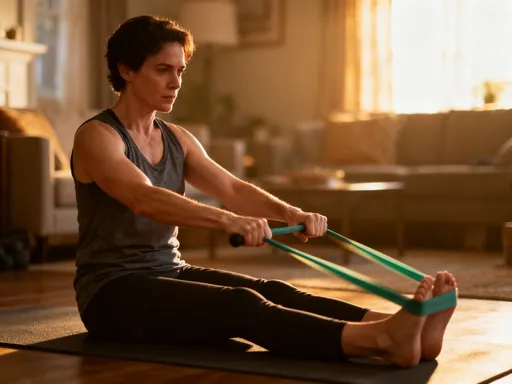
Phase 1: Pain Management & Mobility. This stage focuses on reducing discomfort and restoring range of motion. It’s not about strength or endurance yet. Instead, it’s about creating the conditions for healing. I used ice after activity, not to numb pain, but to manage inflammation. I also practiced gentle joint movements—ankle circles, knee bends, hip rolls—several times a day. These weren’t intense exercises, but they kept fluid moving through the tissues and prevented stiffness. My physical therapist emphasized that movement in this phase should never increase pain. If it did, I scaled back. The goal was to maintain mobility without aggravating the injury.
Phase 2: Strength & Stability. Once pain decreased and movement felt smoother, we shifted to building strength in key areas—hips, glutes, core, and lower legs. These muscles support running mechanics and absorb impact. Weakness here often contributes to injury. I started with bodyweight exercises: clamshells to activate the glutes, single-leg bridges to improve hip stability, and heel raises for calf strength. At first, I did two sets of ten, every other day. It felt minimal, almost too easy. But over time, I noticed my legs felt more stable when walking. My balance improved. These small gains laid the foundation for running again.
Phase 3: Run Reintegration. This is where many runners get impatient. But returning to running isn’t about how fast you can run—it’s about how well you can tolerate it. We began with walk-run intervals: 30 seconds of slow jogging, followed by 4 minutes of walking. I repeated this for 20 minutes, three times a week. The first run interval was nerve-wracking. I focused on form—upright posture, relaxed shoulders, soft foot strike. Afterward, I monitored how my body felt the next day. No pain? Good. Mild soreness? Okay, but I’d reduce the running time next session. The rule was simple: if pain returned, I stepped back. Progress wasn’t linear, but it was real.
Mobility That Moves You: Daily Routines That Prevent Stiffness
One of the biggest lessons I learned was that stiffness isn’t just uncomfortable—it’s dangerous. When joints lose range of motion, muscles compensate. This creates imbalances that increase injury risk. For runners, tight hips or stiff ankles can alter stride mechanics, placing extra stress on knees, shins, or feet. Yet, many of us skip mobility work, thinking stretching is only for yoga lovers or elite athletes. The truth is, mobility is essential for anyone who moves—and especially for those recovering from injury.
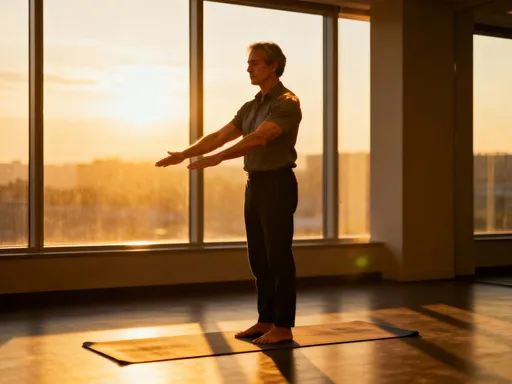
I started with a simple 5-minute routine each morning. It included ankle circles in both directions to improve dorsiflexion, seated hip openers to release tension, and gentle leg swings to warm up the hamstrings and hip flexors. I did these barefoot, standing near a counter for balance. No equipment, no gym membership, just consistency. Within a week, I noticed my steps felt lighter. Climbing stairs became easier. The stiffness that used to linger for hours after waking began to fade.
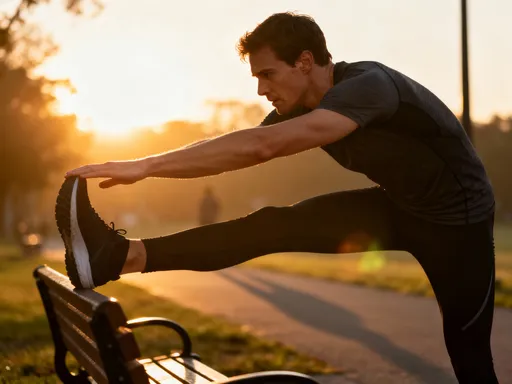
Later, I added dynamic stretches before any activity. These weren’t static holds, but controlled movements that prepared my body for motion. Examples include walking lunges with a twist, high knees, and butt kicks. These activated the muscles I’d use while running and improved coordination. I also used a foam roller on my calves and quads—again, not aggressively, but enough to release tight spots. The goal wasn’t pain, but release.
The beauty of daily mobility is that it fits into real life. You don’t need extra time—just intention. I did mine while waiting for coffee, during TV commercials, or before showering. Over time, these small efforts added up. My joints moved more freely, my stride felt smoother, and my confidence grew. Mobility wasn’t a side task—it became part of my routine, as essential as lacing up my shoes.
Strength Isn’t Optional: The Hidden Key to Injury-Proof Running
Many runners believe that running builds all the strength they need. But the reality is, running primarily strengthens certain muscles while neglecting others. The glutes, deep hip stabilizers, and core often remain underused. When these muscles are weak, the body relies on smaller, less efficient muscles to do the work. This leads to overuse injuries—like IT band syndrome, shin splints, or plantar fasciitis. Strengthening these overlooked areas isn’t about becoming bulky. It’s about creating balance and resilience.
I started with basic, functional exercises. Clamshells were the first. Lying on my side with knees bent, I lifted my top knee while keeping my feet together. At first, I could barely do ten without my hip shaking. But within two weeks, the movement felt smoother. This exercise targets the gluteus medius, a key stabilizer for the pelvis during running. When this muscle is strong, your hips stay level with each stride, reducing strain on the knees and lower back.
Single-leg bridges were another game-changer. Lying on my back with one foot flat and the other extended, I lifted my hips using just one leg. This built strength in the glutes and hamstrings while improving balance. Step-ups followed—using a low stair or sturdy box, I stepped up and down slowly, focusing on control. These movements didn’t burn calories like running, but they built the foundation that made running possible.
What surprised me most was how strength rebuilt my confidence. After weeks of feeling fragile, I began to trust my body again. I wasn’t just healing—I was becoming stronger in ways running alone couldn’t achieve. The key was consistency, not intensity. I did short sessions, three times a week. I didn’t push to failure. I focused on form. Over time, the cumulative effect was profound. My legs felt more powerful, my posture improved, and my risk of re-injury dropped significantly.
Returning to Running Without Fear: The Walk-Run Strategy That Works
The first time I laced up my running shoes again, my heart raced. Not from exertion—from fear. What if the pain came back? What if I ruined all my progress? I reminded myself that healing isn’t about avoiding risk, but about managing it wisely. I followed a cautious, structured walk-run plan designed to reintroduce impact gradually. It started with just 30 seconds of jogging, followed by 4 minutes of walking. I repeated this cycle five times, for a total of 20 minutes.
The first run interval was slow, almost shuffling. I focused on form: a slight forward lean, quick cadence, soft foot strike. I didn’t care about speed or distance. My only goal was to finish without pain. Afterward, I walked around to cool down, then stretched gently. The next day, I checked in with my body. No soreness? No flare-up? That was my green light to continue.
I followed this pattern for two weeks, gradually increasing the run intervals. Week three: 45 seconds running, 3 minutes walking. Week four: 1 minute running, 2 minutes walking. I tracked effort, not pace. If I felt winded or strained, I shortened the run time. If I felt strong and stable, I advanced slowly. I avoided hills and uneven surfaces at first. I ran on flat, forgiving terrain—like a track or paved path.
The moment I ran a full mile without pain was emotional. It wasn’t fast. It wasn’t far. But it was mine. It represented patience, discipline, and trust in the process. I didn’t celebrate with a long run. I celebrated by sticking to the plan. I knew one good day didn’t mean I was fully recovered. The real test came in the days after—when I could repeat the effort without setbacks. That’s when I knew I was on the right path.
Long-Term Wins: How Injury Taught Me to Run Smarter
Looking back, the injury wasn’t a setback—it was a turning point. It forced me to slow down, listen, and rebuild with intention. I used to run to escape—stress, chores, the noise of daily life. Now, I run to connect—with my body, my breath, my surroundings. The mindset shift was subtle but powerful. I no longer push through pain. I respect it. I see it as information, not weakness.
More importantly, I’ve made recovery a non-negotiable part of my routine. Mobility work, strength training, rest days—these aren’t extras. They’re as essential as the runs themselves. I schedule them like appointments. I don’t skip them when life gets busy. This holistic approach has made me a more resilient runner. I’ve improved my form, increased my endurance, and reduced my injury risk. I run fewer miles than I used to, but I enjoy them more.
Perhaps the greatest lesson was learning that healing isn’t backward progress. It’s part of moving forward. Every stretch, every strength exercise, every walk-run interval was a step toward a stronger, more sustainable version of myself. I no longer fear injury. I prepare for it. I listen to my body. I honor its limits. And when I do run, I do so with gratitude—not just for the ability to move, but for the wisdom to do it well.
Recovery isn’t a detour—it’s part of the run. By treating rehab as training, not punishment, I came back with more awareness and strength than before. The real win wasn’t just returning to running, but learning how to sustain it. If you’re healing, remember: small, consistent steps create lasting change. Always consult a healthcare professional for personalized guidance—but don’t let fear keep you off the path. You’ve got this.