How I Finally Found Balance Through Traditional Chinese Exercise—And Why It Lasts
For years, I chased quick fixes—intense workouts, trendy diets, miracle supplements. Nothing lasted. Then I discovered traditional Chinese medicine’s take on wellness: slow, steady, and deeply personal. Instead of fighting my body, I learned to listen. The shift wasn’t dramatic overnight, but over time, my energy stabilized, my stress melted, and my movement became purposeful. This isn’t about extreme fitness—it’s about long-term balance. And honestly? I wish I’d started sooner.
The Breaking Point: When Modern Wellness Failed Me
Like many women in midlife, I approached health as a problem to be solved through effort and discipline. I followed high-intensity interval training programs, believing more sweat meant better results. I counted calories, avoided fats, and cycled through detox teas and protein powders promising transformation. For brief periods, I saw changes—slimmer jeans, faster runs, a temporary glow. But the momentum never held. Within weeks, fatigue returned. My joints ached without cause. I woke up unrested, even after eight hours of sleep. The energy I had worked so hard to reclaim slipped away like sand through fingers.
What I didn’t realize then was that I was treating my body like a machine that needed constant repair, rather than a living system that needed care. The more I pushed, the more my body resisted. I experienced recurring tension in my shoulders and neck, digestive discomfort after meals, and an undercurrent of anxiety that no amount of yoga or meditation seemed to quiet. I began to question whether the pursuit of wellness was making me less well. The turning point came during a routine check-up when my doctor, after reviewing my blood work, gently said, “Your labs are mostly normal, but your body seems to be under constant strain. Have you considered that rest and rhythm might be more important than intensity?” That question stayed with me.
It forced me to reevaluate what health truly meant. Was it about appearance or performance? Or was it about feeling steady, resilient, and at ease in my own skin? I began to suspect that the answer lay not in doing more, but in doing differently. That realization opened the door to a new understanding—one rooted not in force, but in harmony.
Discovering TCM: A Different View of the Body
My exploration led me to traditional Chinese medicine (TCM), a system of healing with roots stretching back thousands of years. At first, the concepts felt foreign. I had been taught to think of health in terms of isolated parts—organs, muscles, hormones—each with a specific function. TCM, in contrast, views the body as an interconnected network where everything influences everything else. Central to this philosophy is the concept of Qi (pronounced “chee”), often described as vital energy or life force. Qi flows through pathways called meridians, supporting function, immunity, and emotional balance. When Qi moves freely, the body thrives. When it becomes blocked or depleted, discomfort arises.
Another foundational idea in TCM is the balance of Yin and Yang—opposing yet complementary forces. Yin represents rest, nourishment, and internal calm. Yang stands for activity, warmth, and outward expression. Health is not the dominance of one over the other, but their dynamic equilibrium. For example, a woman in her 40s or 50s may experience hot flashes not simply as a hormonal shift, but as a sign of Yang rising too strongly while Yin fails to anchor it. Rather than suppressing symptoms, TCM seeks to restore the underlying balance.
Initially, I was skeptical. How could something as intangible as energy flow affect real physical symptoms? But as I studied further, I began to see parallels in modern science. The nervous system, for instance, regulates both physical and emotional states—much like Qi. The gut-brain axis mirrors TCM’s view of the spleen and stomach as central to mental clarity. Over time, what once seemed mystical became a practical framework for understanding my body’s signals. I stopped seeing fatigue as laziness and started recognizing it as a sign of Qi deficiency. I viewed muscle tension not just as poor posture, but as stagnant energy needing movement.
Why Long-Term Adjustment Beats Quick Fixes
The more I learned, the more I saw how Western wellness culture often prioritizes speed and visibility—rapid weight loss, six-pack abs, viral fitness challenges. These goals are measurable, shareable, and satisfying in the short term. But they rarely address the deeper rhythms of health. TCM, by contrast, emphasizes gradual, sustained adjustment. It doesn’t aim for dramatic change but for steady alignment. This approach resonates especially with women navigating hormonal transitions, caregiving demands, and the quiet erosion of energy that can come with age.
Consider the difference between building a machine and tending a garden. A machine can be assembled quickly with the right parts. But a garden requires patience—watering, weeding, adjusting to seasons. You don’t force a seed to grow faster; you create the conditions for it to thrive. In the same way, TCM-inspired wellness is about cultivating internal conditions that support vitality. Small, consistent practices—like gentle movement, mindful eating, and regular rest—reshape the body’s patterns over months and years. They don’t produce instant results, but they build resilience that lasts.
Research supports this idea. Studies on practices like Tai Chi and Qi Gong have shown measurable improvements in balance, immune function, and stress hormone levels after consistent practice over 12 weeks or more. The benefits aren’t flashy, but they are profound: fewer falls in older adults, better sleep quality, reduced inflammation. These outcomes aren’t achieved through intensity, but through repetition and rhythm. The body learns to regulate itself when given the right cues, over time. This understanding helped me release the pressure to “achieve” health and instead embrace the process of becoming more attuned.
The Role of Movement in TCM: It’s Not What You Think
One of the most surprising shifts in my journey was redefining what exercise could be. I had always equated physical activity with effort—elevated heart rate, burning muscles, sweat on my brow. TCM introduced me to a different paradigm: movement as medicine. In this view, the goal isn’t to burn calories or build muscle mass, but to support the smooth flow of Qi and blood. Movement is not punishment for sitting too long or eating too much; it is a daily act of care, like brushing your teeth or drinking water.
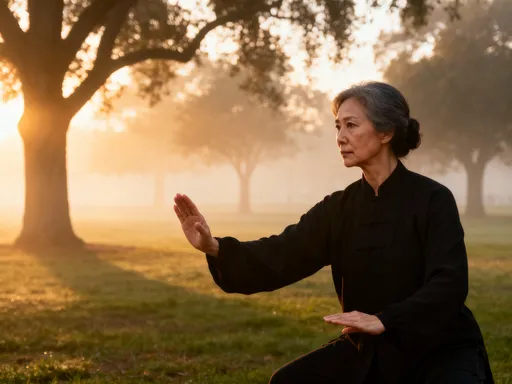
Gentle practices such as Tai Chi, Qi Gong, and Dao Yin are central to this approach. These forms involve slow, deliberate motions coordinated with breath and mental focus. A typical sequence might include lifting the arms like gathering mist, twisting the torso to wring out tension, or stepping forward with the quiet precision of a heron. There is no music, no timer, no leaderboard. The emphasis is on internal awareness—feeling the shift of weight, the expansion of the ribs, the release of the shoulders. It’s not about how many repetitions you complete, but how present you are in each one.
These practices work on multiple levels. Physically, they improve joint mobility, posture, and circulation. Energetically, they clear blockages in the meridians, particularly in areas prone to stagnation—like the neck, shoulders, and lower back. Emotionally, they calm the Shen, or spirit, which in TCM is housed in the heart. When the Shen is restless, sleep suffers, focus wavers, and mood swings become common. Gentle movement helps anchor it. Unlike high-intensity workouts that can deplete Qi if overdone, these practices replenish it. They are especially well-suited for women who feel drained by daily responsibilities and need restoration, not more exertion.
My Daily Practice: Simple Moves That Made a Difference
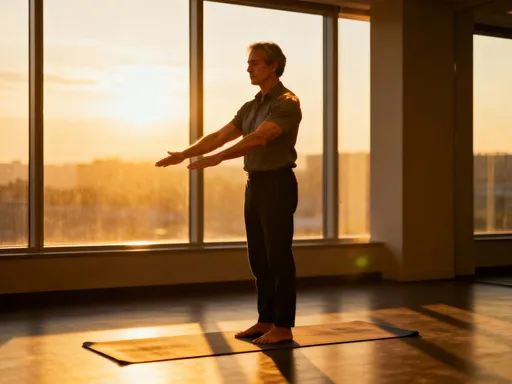
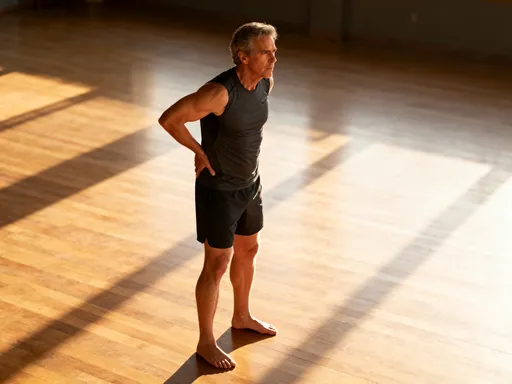
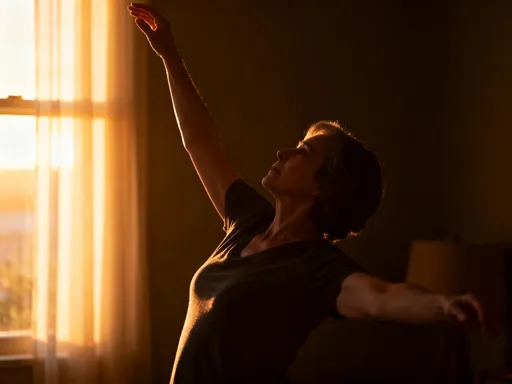
I didn’t adopt these practices all at once. I started with just five minutes each morning—standing barefoot on a mat, feeling the floor beneath me, and tuning into my breath. One of the first routines I learned was a simple Qi Gong sequence often called “Lifting the Sky.” It begins with the hands resting at the lower abdomen, the center of Qi in TCM. On an inhale, the palms rise slowly in front of the body, as if drawing energy from the earth. At shoulder height, the hands turn outward and continue upward, arms nearly straight, palms facing the sky. At the peak of the breath, there’s a gentle stretch through the sides of the body. On the exhale, the arms float back down, returning to the lower abdomen. The movement is slow, fluid, and repeated six to nine times.
This simple act did more than warm up my muscles. It taught me to coordinate breath with motion, to move with intention rather than habit. I noticed that on days I practiced, my mind was clearer by mid-morning. I also incorporated a movement known as “Separating Heaven and Earth,” where one hand rises while the other sinks, creating a lengthening through the torso. I did this for a few minutes after lunch, when I typically felt sluggish. Within a week, my afternoon energy improved. I no longer reached for a second coffee.
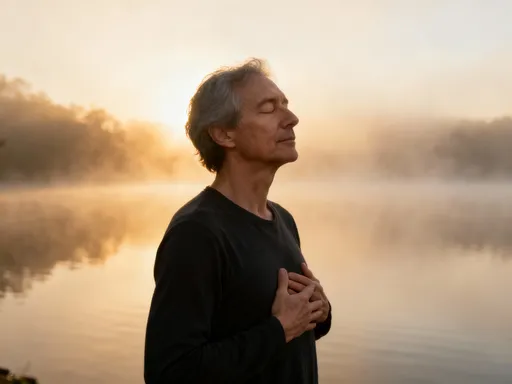
In the evening, I added a short breathwork practice—inhaling for four counts, holding for four, exhaling for six. This extended exhale activates the parasympathetic nervous system, signaling the body to rest. Paired with gentle neck rolls and shoulder releases, it became my transition from the day’s demands to evening calm. Over time, these small rituals added up. My sleep deepened. My digestion improved—fewer bloating episodes, more regularity. The chronic tightness between my shoulder blades, which I had accepted as normal, began to ease. I wasn’t doing anything drastic, yet my body was responding.
How to Start Without Overwhelm: A Realistic Approach
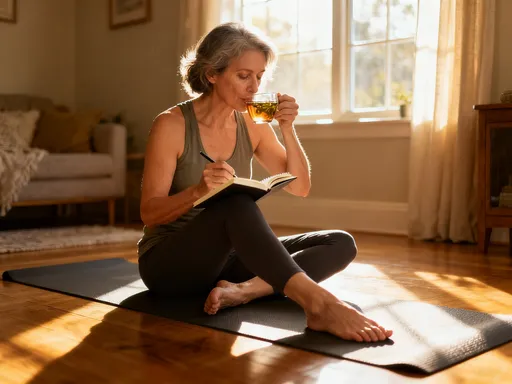
If you’re new to these ideas, the thought of adding another routine to your day might feel overwhelming. That was my fear too. The key, I’ve learned, is to begin small and think in terms of integration, not addition. You don’t need special clothes, equipment, or even a large space. Two square feet of floor and three to five minutes are enough to start. The goal is consistency, not duration or perfection.
One effective strategy is to link the practice to an existing habit. For example, do a short stretch or breathing exercise right after brushing your teeth in the morning. Or take three mindful breaths before sitting down to lunch. These micro-moments build familiarity and reduce the mental barrier to starting. Another tip is to set a fixed time—even if it’s just once a day. Our bodies thrive on rhythm, and a regular cue helps establish a new pattern.
It’s also important to manage expectations. You may not feel dramatic changes in the first week. That’s normal. TCM-based practices work cumulatively, like saving pennies in a jar. The benefits become visible over time. Avoid the trap of doing too much too soon. Enthusiasm can lead to overexertion, which defeats the purpose of gentle movement. If you’re tired, shorten the session. If you’re distracted, focus on just one breath. Progress isn’t measured by how long you practice, but by how connected you feel afterward.
Beyond Exercise: How Movement Connects to Diet, Emotion, and Rhythm
One of the most profound lessons TCM has taught me is that no single practice exists in isolation. Movement supports digestion, which affects energy, which influences mood. In TCM, the Spleen and Stomach are responsible not just for breaking down food, but for transforming it into usable energy, or Qi. When digestion is weak, fatigue and brain fog follow. Gentle movement after meals—like a slow walk or a few Qi Gong motions—helps activate this transformation process. I noticed that when I moved lightly after eating, I felt less bloated and more alert.
Emotions also play a central role. In TCM, each organ is linked to an emotion: the Liver to anger, the Heart to joy, the Lungs to grief, the Kidneys to fear. When an emotion is excessive or unexpressed, it can disrupt the related organ’s function. For example, chronic stress can cause Liver Qi to rise, leading to headaches, irritability, or menstrual irregularities. Movement helps regulate this by smoothing the flow of Qi. A simple twisting motion can release Liver tension; deep abdominal breathing can calm the Kidneys. Over time, I found that I reacted less sharply to daily frustrations. I didn’t eliminate stress, but I processed it more smoothly.
Rhythm is equally important. TCM emphasizes living in harmony with natural cycles—day and night, seasons, life stages. This means honoring rest as much as activity. In winter, for instance, the body naturally turns inward. Pushing for high energy can deplete reserves. Instead, slower movements, warmer foods, and earlier bedtimes support the body’s need to conserve. In summer, when Yang energy is strong, more active practices are appropriate. Aligning with these rhythms reduces internal conflict and supports long-term balance.
Wellness, in this view, is not a checklist of isolated habits. It is a full-circle system where movement, food, sleep, and emotional health all inform one another. When you move with awareness, you eat with greater intention. When you honor rest, you approach activity with more vitality. It’s not about perfection, but about presence.
The journey from burnout to balance hasn’t been linear. There are days when I skip my routine, when stress overwhelms, when old habits creep back. But now I have a compass—a way of listening to my body and responding with care. I no longer chase quick fixes because I’ve learned that lasting change grows from gentle, informed repetition. Traditional Chinese exercise isn’t a trend I follow; it’s a conversation I maintain with my body, one breath, one movement at a time. If you’ve ever felt worn down by the demands of life, consider this not as another task to add, but as a way to return to yourself. Start small. Stay consistent. Trust the process. The balance you seek may not come from pushing harder—but from moving with wisdom.