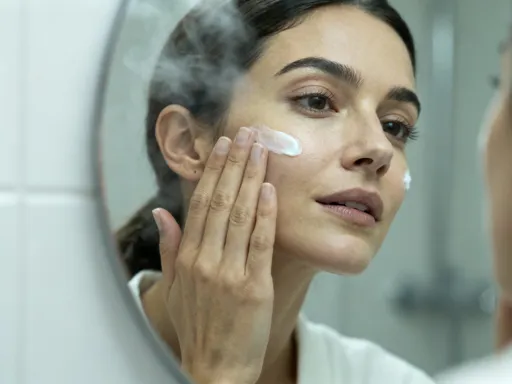
Glow Up Without the Hype: My Real Skin Fix That Actually Works
You know that feeling when your skin just won’t cooperate—dull, uneven, breaking out for no reason? I’ve been there, tired of chasing miracles in fancy jars. What if better skin isn’t about more products, but smarter habits? This is not a quick fix, but a real, science-backed shift that changed my complexion—and my confidence—by focusing on health from the inside out. The truth is, radiant skin isn’t reserved for the genetically blessed or those with endless budgets. It’s built through daily choices that support your body’s natural balance. And once you understand how skin truly works, the path to clarity becomes simpler, quieter, and far more effective.
The Skin Struggle Most People Ignore
Most women in their 30s and beyond have stood in front of the mirror, scrutinizing their reflection, wondering why their skin no longer looks like it used to. The glow has faded, fine lines appear earlier each year, and breakouts seem to come out of nowhere. The instinct is often to reach for the latest serum, the trending face oil, or the dermatologist-recommended acid peel. But what if the real issue isn’t on the surface at all?
Skin is not just a canvas to be painted over with products. It is the body’s largest organ, a dynamic system that responds to internal conditions as much as external care. When it looks tired, inflamed, or uneven, it’s often sending a signal—about stress, poor digestion, lack of sleep, or chronic dehydration. The problem with modern skincare culture is that it treats symptoms instead of causes. People layer on actives, exfoliate aggressively, and switch routines weekly, all while ignoring foundational health habits that truly support skin resilience.
Consider the mornings after a restless night: eyes are puffy, the face looks sallow, and makeup doesn’t sit right. This isn’t coincidence. Sleep deprivation impairs the skin’s ability to repair itself overnight, reducing collagen production and increasing water loss. Similarly, during periods of emotional or work-related stress, many notice an uptick in redness or breakouts. This is due to cortisol, the stress hormone, which triggers inflammation and can overstimulate oil glands. These are not isolated events—they are consistent patterns that reveal how deeply skin is tied to overall well-being.
The real shift begins when we stop viewing skincare as a battle against aging or imperfection and start seeing it as an expression of self-care. Lasting radiance comes not from erasing flaws, but from nurturing balance. This means prioritizing rest, managing stress, eating nourishing foods, and staying hydrated. It means understanding that glowing skin isn’t created in a jar—it’s cultivated through daily habits that honor the body’s natural rhythms.
Why Your Current Routine Might Be Working Against You
Ironically, many of the habits marketed as essential for great skin can actually do more harm than good. The idea that more is better—more products, more exfoliation, more active ingredients—has led to a rise in sensitized, compromised skin barriers. The skin’s outermost layer, known as the moisture barrier, is made up of lipids and proteins that protect against environmental aggressors, retain hydration, and keep irritants out. When this barrier is damaged, skin becomes prone to redness, dryness, itching, and increased breakouts.
Over-cleansing is one of the most common culprits. Harsh foaming cleansers, especially those with sulfates, strip away natural oils, disrupting the pH balance and weakening the protective layer. Similarly, over-exfoliation—using chemical exfoliants like AHAs or BHAs too frequently or combining them with physical scrubs—can lead to micro-tears and chronic inflammation. The skin may appear smoother at first, but over time, it becomes reactive, requiring more soothing products to compensate for the damage.
Another widespread issue is product layering without purpose. Many routines include a toner, essence, serum, moisturizer, face oil, and eye cream—sometimes with multiple serums targeting different concerns. While customization sounds appealing, the reality is that not all ingredients play well together. Combining too many actives—like vitamin C, retinol, and exfoliating acids—can overwhelm the skin, especially for those with sensitive or mature skin types. Instead of enhancing results, this approach often leads to irritation and delayed healing.
The solution isn’t to abandon skincare altogether, but to simplify. A minimalist routine focused on gentle cleansing, hydration, and protection allows the skin to function optimally. It reduces the risk of irritation and gives the body time to repair its natural barrier. Dermatologists increasingly advocate for this less-is-more philosophy, emphasizing that consistency and compatibility matter more than complexity. When you stop treating your skin like a project to be fixed and start treating it like an organ to be supported, the results are often more noticeable—and more sustainable.
The Hidden Connection Between Gut Health and Clear Skin
One of the most powerful yet underappreciated factors in skin health is the condition of the gut. Emerging research continues to confirm what integrative health experts have long suggested: the gut and skin are closely linked through what’s known as the gut-skin axis. This bidirectional communication system means that imbalances in the digestive tract can directly influence the appearance and behavior of the skin.
The gut microbiome—trillions of bacteria living in the intestines—plays a crucial role in regulating inflammation, supporting immune function, and aiding nutrient absorption. When this microbial balance is disrupted, a condition known as dysbiosis occurs, which can trigger systemic inflammation. Since skin is highly sensitive to inflammatory signals, this internal imbalance often manifests as acne, rosacea, eczema, or general redness. For example, studies have shown that individuals with acne are more likely to have lower levels of beneficial gut bacteria and higher rates of intestinal permeability, commonly referred to as “leaky gut.”
Nutrient absorption is another key piece of the puzzle. Even with a healthy diet, poor gut function can prevent the body from extracting essential vitamins and minerals needed for skin repair. Zinc, vitamin A, omega-3 fatty acids, and B vitamins are all vital for maintaining skin integrity, reducing inflammation, and supporting collagen production. If digestion is sluggish or compromised, these nutrients may not reach the skin in adequate amounts, regardless of topical applications.
Supporting gut health doesn’t require drastic changes or expensive supplements. Simple, sustainable shifts can make a significant difference. Increasing dietary fiber from vegetables, fruits, legumes, and whole grains feeds beneficial bacteria and promotes regular digestion. Fermented foods like yogurt, kefir, sauerkraut, and kimchi introduce live probiotics that help restore microbial balance. At the same time, reducing intake of processed foods, refined sugars, and excessive alcohol can lower inflammation and prevent feeding harmful bacteria.
These dietary habits don’t promise overnight transformations, but over time, many women report clearer skin, reduced breakouts, and a more even tone simply by improving digestion. The connection may seem indirect, but it underscores a fundamental truth: skincare begins long before you apply anything to your face. It starts with what you eat, how well you digest it, and how your body uses those nutrients to maintain health from the inside out.
Hydration: It’s Not Just About Drinking Water
Hydration is often oversimplified as “drink eight glasses a day,” but true skin hydration is far more complex. There’s a critical difference between surface moisture and deep, cellular hydration. Moisturizers add water to the outer layer of the skin, but without proper internal hydration and a healthy barrier, that moisture quickly evaporates. Real plumpness and resilience come from water that is retained within the skin’s deeper layers, supported by both lifestyle habits and the right topical ingredients.
Drinking enough water is essential, but it’s only one part of the equation. Water must be absorbed and distributed effectively by the body, which depends on electrolyte balance, kidney function, and overall metabolic health. Dehydration doesn’t just make skin look dull—it impairs its ability to detoxify, repair, and produce collagen. Even mild dehydration can make fine lines more visible and reduce elasticity, giving the face a tired, sunken appearance.
Environmental factors also play a role. Low humidity, especially in heated or air-conditioned homes, draws moisture from the skin. Harsh soaps, hot showers, and alcohol-based toners strip natural oils that help seal in hydration. Without these protective lipids, the skin’s ability to retain water is compromised, leading to a cycle of dryness and overcompensation through excess oil production.
The solution lies in a dual approach: internal hydration and external support. On the inside, consistent water intake throughout the day—starting with a glass upon waking—helps maintain fluid balance. Including water-rich foods like cucumbers, melons, oranges, and soups adds to overall hydration. On the outside, using products with humectants like glycerin, hyaluronic acid, or honey draws water into the skin. Pairing these with occlusive agents—such as shea butter or squalane—locks in moisture and strengthens the barrier.
It’s also important to avoid ingredients that sabotage hydration. Denatured alcohol, commonly found in toners and mattifying products, can be extremely drying, especially for mature or sensitive skin. Fragrances and certain preservatives may also trigger irritation, further weakening the skin’s ability to hold water. By choosing gentle, hydrating formulas and supporting the body’s internal fluid balance, women can achieve a dewy, supple complexion that looks naturally healthy—not artificially smoothed.
Sleep and Stress: The Silent Skin Saboteurs
If there were a single skincare product that could reduce puffiness, fade dark circles, improve texture, and speed up healing, it would be hailed as a miracle. Yet, that product already exists—it’s called quality sleep. During deep sleep, the body enters repair mode: collagen production increases, inflammation decreases, and skin cells regenerate. This nightly renewal process is essential for maintaining firmness, elasticity, and clarity. Without sufficient rest, this cycle is disrupted, and the visible effects accumulate quickly.
Lack of sleep doesn’t just make you look tired—it changes your skin at a biological level. Studies show that poor sleepers have reduced skin barrier function, slower recovery from environmental damage, and increased signs of aging. After just a few nights of disrupted sleep, the skin may appear paler, more dehydrated, and less resilient. Dark circles become more pronounced due to poor circulation and fluid retention under the eyes. Puffiness is common, as the body struggles to regulate water balance without proper rest.
Stress compounds these effects. When under pressure, the body releases cortisol, which increases oil production and inflammation. This creates an environment where breakouts are more likely, especially along the jawline and chin—areas rich in oil glands. Chronic stress also shortens the skin’s healing time, meaning blemishes take longer to fade and redness lingers. Over time, elevated cortisol levels contribute to collagen breakdown, accelerating the formation of fine lines and sagging.
Managing stress and prioritizing sleep aren’t luxuries—they’re non-negotiable components of a healthy skincare routine. Simple, realistic strategies can make a difference. Establishing a wind-down routine—such as turning off screens an hour before bed, reading, or practicing gentle stretching—signals to the body that it’s time to rest. Mindfulness practices like deep breathing, meditation, or journaling can lower cortisol levels and improve emotional resilience. Even short walks in nature or moments of quiet reflection during the day help reset the nervous system.
For busy women juggling family, work, and personal responsibilities, carving out time for rest may feel impossible. But small, consistent choices add up. Going to bed just 20 minutes earlier, keeping the bedroom cool and dark, or using calming scents like lavender can improve sleep quality. When rest becomes a priority, the skin responds with clarity, brightness, and a natural glow that no serum can replicate.
Sun Protection as Daily Self-Care, Not Just Summer Rule
Of all the skincare steps backed by science, daily sun protection stands out as the most effective for preventing premature aging and maintaining skin health. Ultraviolet (UV) radiation from the sun is responsible for up to 90% of visible skin aging, including wrinkles, loss of elasticity, and uneven pigmentation. Unlike other factors that develop gradually, UV damage accumulates silently, even on cloudy days or through windows. This means that skipping sunscreen—even when it’s not sunny or you’re mostly indoors—still exposes your skin to long-term harm.
Many women reserve sunscreen for beach days or summer outings, but this approach misses the point. Daily exposure to UV rays, even in small doses, adds up over time. This is known as cumulative sun damage, and it’s the primary driver of photoaging. Unlike natural aging, which occurs slowly and evenly, photoaging leads to leathery texture, sunspots, broken capillaries, and a loss of firmness—especially on the face, neck, and hands, which are most exposed.
Wearing sunscreen every day is one of the simplest and most powerful ways to protect your skin’s future. Broad-spectrum formulas that guard against both UVA and UVB rays are essential. UVA rays penetrate deeply, contributing to aging and pigmentation, while UVB rays cause surface damage and sunburn. A minimum SPF of 30 is recommended for daily use, applied generously to all exposed areas, including the ears, neck, and back of the hands.
The key to consistency is finding a product that fits seamlessly into your routine. Heavy, greasy sunscreens may discourage daily use, especially under makeup. Lightweight lotions, gels, or mineral-based formulas with a soft finish are more likely to be worn regularly. Tinted versions can double as a light base, offering both protection and a natural even tone. For those concerned about vitamin D, brief sun exposure—such as 10 to 15 minutes a few times a week—is usually sufficient, and supplements can help maintain levels without risking skin damage.
Hats, sunglasses, and protective clothing are also valuable allies. A wide-brimmed hat not only adds elegance but shields the face, neck, and shoulders from direct sun. Seeking shade during peak hours and avoiding prolonged exposure are equally important. When sun protection becomes a daily habit—like brushing your teeth or locking the door—it stops being a chore and starts being an act of self-respect. It’s not about fear of the sun, but about honoring the skin you have and protecting its health for years to come.
Putting It All Together: A Sustainable, No-Frills Routine
After years of experimenting with complex regimens, expensive treatments, and fleeting trends, the most transformative change came from simplification. The foundation of truly healthy skin isn’t a secret ingredient or a celebrity-endorsed device—it’s a consistent, holistic approach that supports the body’s natural ability to heal and renew. This doesn’t mean giving up on skincare, but redefining what it means to care for your skin.
A sustainable routine can be as simple as three steps: cleanse, hydrate, protect. In the morning, a gentle rinse with lukewarm water or a mild cleanser removes overnight residue without stripping natural oils. Follow with a hydrating serum or moisturizer containing humectants like glycerin or hyaluronic acid. Finish with a broad-spectrum sunscreen—non-negotiable, every single day. At night, cleanse again to remove pollutants and impurities, then apply a nourishing moisturizer suited to your skin’s needs. Optional but beneficial: a weekly mask or facial massage to boost circulation.
Beyond products, the real power lies in lifestyle. Drinking water consistently, eating a balanced diet rich in plants and fiber, managing stress through breath or movement, and prioritizing sleep are not secondary—they are central. These habits don’t promise instant results, but they create the conditions for lasting change. Skin improves not because of a single product, but because the body is functioning better overall.
Patience is essential. Real transformation takes weeks, even months. The skin cycle is about 28 days, meaning it takes that long for new cells to rise to the surface. Jumping between routines or expecting overnight miracles only delays progress. Listening to your skin—adjusting when it feels tight, red, or congested—is more valuable than following a rigid protocol.
Ultimately, healthy skin is not about perfection. It’s about resilience, balance, and self-acceptance. It’s about looking in the mirror and seeing a reflection of care, not correction. When you shift from chasing flawlessness to nurturing well-being, the glow that follows isn’t just on the surface—it’s a quiet, lasting radiance that comes from living well.